

MORE NESTS. FEWER PESTS.
Need a nest box for your community, your farm, or your school?
In a changing climate and threatened environment, nest boxes are invaluable to birds in search of safe places to raise their young. In urban areas and lands affected by development, the loss of standing dead trees (often removed for safety concerns) means many bird species lose access to tree cavities for their nests. More broadly, rising summer temperatures, volatile weather patterns, and changes in seasonal patterns mean that many nest locations are no longer suitable. Nests previously used by breeding pairs may suddenly be too hot for chicks, and tree stands that were once protected may suddenly be vulnerable to wildfires and intense wind events. In addition, other nest structures still suitable for chicks may be too far from food and water resources for them to survive. By placing nest boxes in our communities and on our working lands, we create more options for breeding pairs in search of safe nesting sites. The more options available, the more likely a breeding pair is able to find the perfect nest for their young.
From a community perspective, birds that utilize nest boxes are fantastic hunters that can significantly reduce the number of grasshoppers, flies, mice, and other common “pests” that cause challenges for gardens, farms, and livestock producers. As our climate moves closer to +3°C, plant hardiness zones will continue to change, crops could be destroyed by intense storms (hail, wind, unseasonal frosts), and intense droughts will make water scarcity an increasing concern. These changes could be devastating to our food systems, especially the small, local food producers that many communities will need to rely upon as global commodity agriculture shifts. And, as these climate pressures increase, pests will also rely more heavily on our food crops. Though nest boxes will not solve the climate concerns communities will face in the future, they can significantly help manage the insects and rodents targeting our food supplies. While communities tackle the other issues, let’s let our feathered friends handle the pests!
If you are a small farmer, school, elder, or organization from a Tribal community or other underserved area, we offer free nest boxes and guidance on placement!
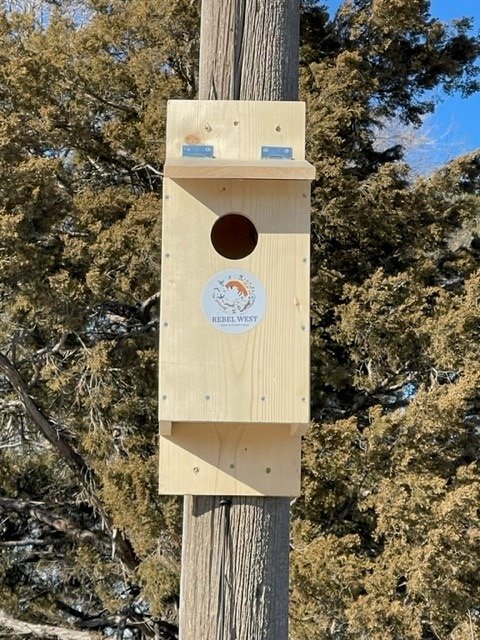
American Kestrel & Eastern Screech Owl Nest Box
NestWatch’s Guide to Kestrel Boxes
Best for telephone poles, buildings, and trees
Prey: grasshoppers, mice, sparrows
COMING
SOON!
Eastern/Mountain Bluebird & Tree Swallow Nest Box
NestWatch’s Guide to Bluebird Boxes
Best for fence posts
Prey: caterpillars, beetles, grasshoppers, spiders
COMING
SOON!
Great Horned Owl Nest Cone
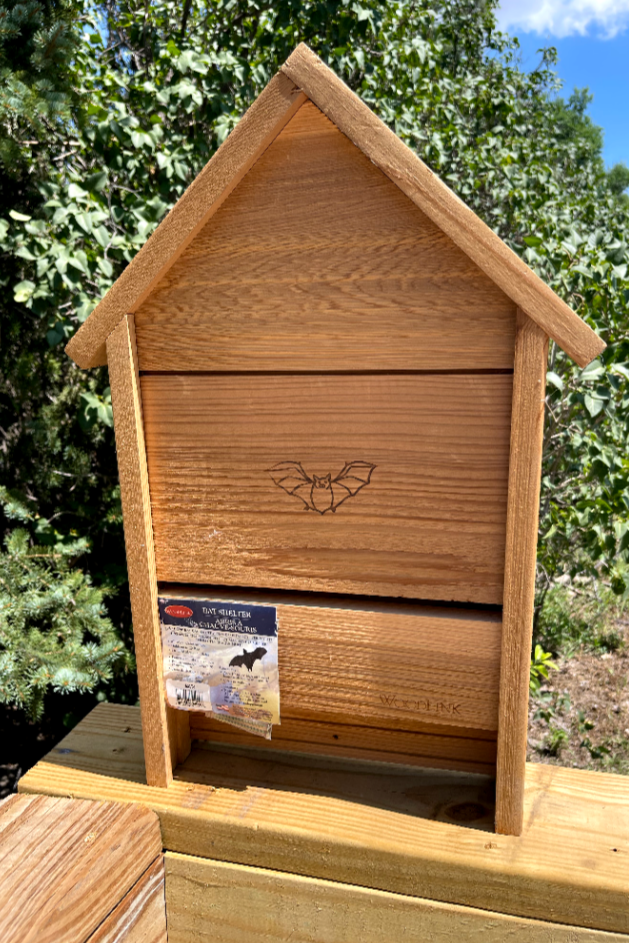
Bat Box
South Dakota Bat Working Group’s Guide to Bat Houses
Best for buildings and tall trees
Prey: mosquitoes, moths, beetles
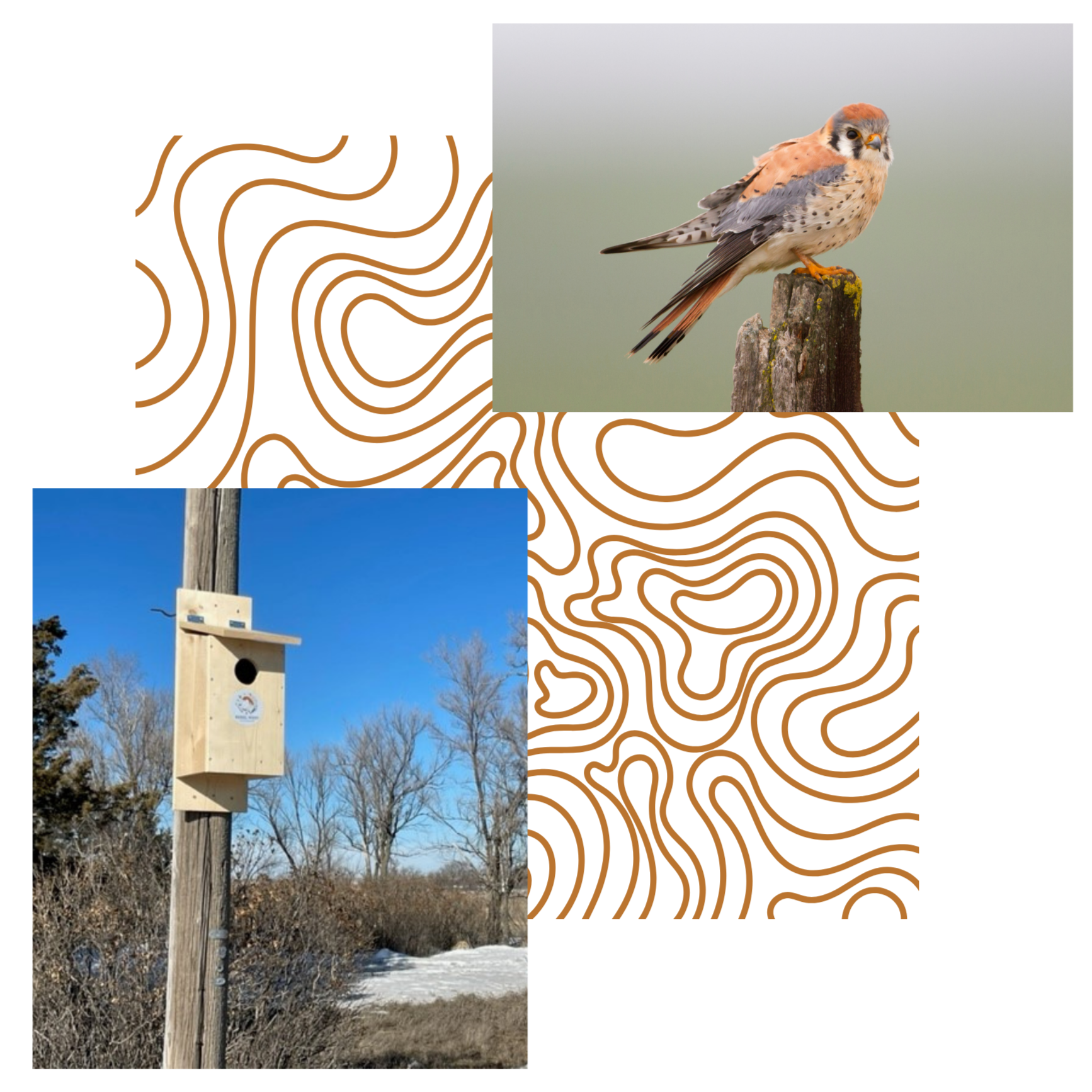
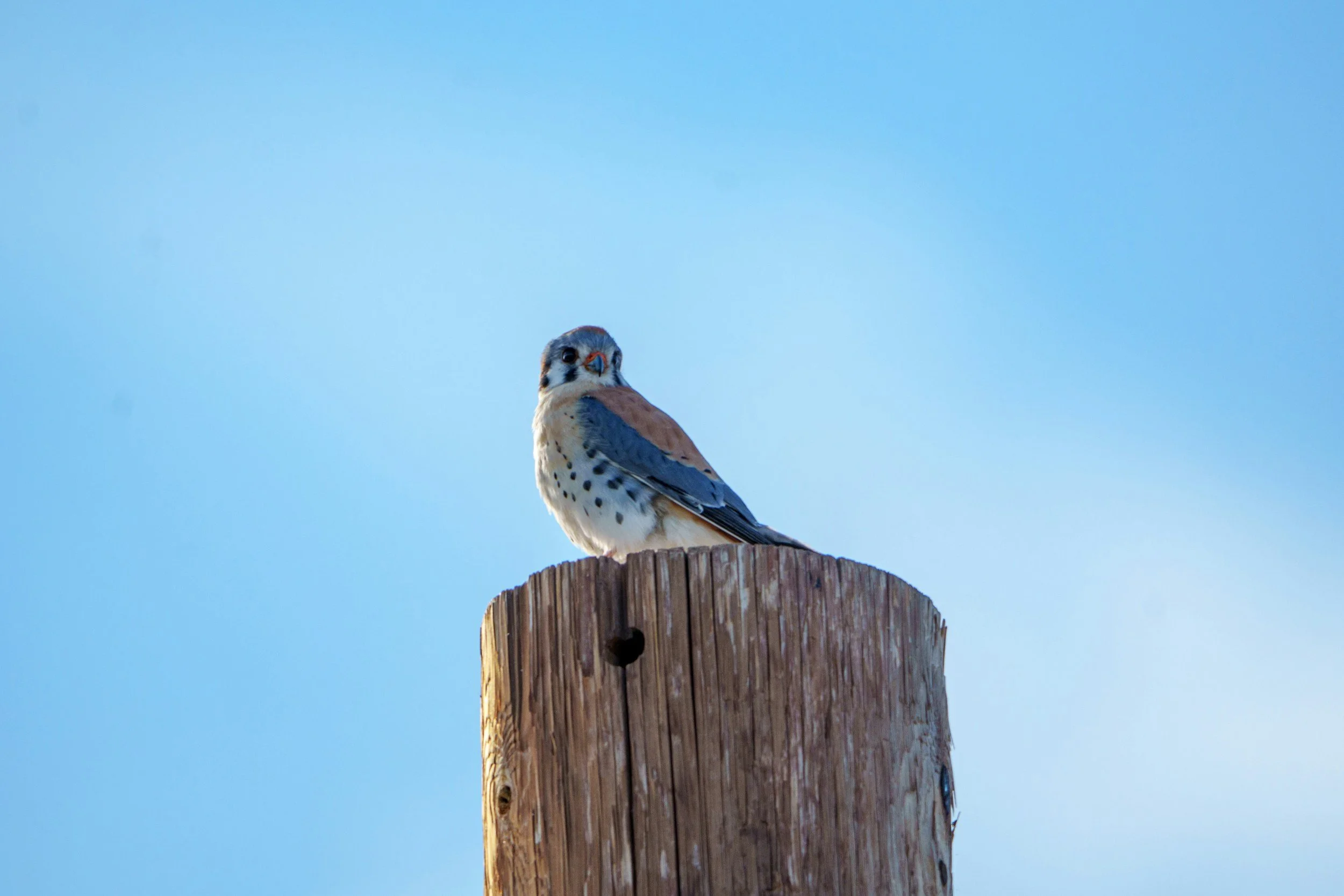
American Kestrel
American Kestrels, North America’s smallest falcons, are small but mighty predators. Though they are little- no larger than a dove or pigeon- they are “mean green grasshopper eating machines”. Every part of their anatomy, from their tomial toothed beaks used for severing the spinal cords of prey to the black malar stripes designed to limit sun glare, is perfect for hunting small mammals and insects.
Grasshoppers- the kestrel’s favorite food- are extremely damaging to crops and property on the Northern Great Plains. Every few years, thousands of grasshoppers descend on the plains of South Dakota, causing destruction and frustration to communities. Though many landowners and farmers choose “conventional” methods of population control (Insecticidal sprays, baits, etc) many of the community members we work with prefer to avoid the use of synthetic pesticides, especiallyin areas where Traditional Medicines are grown and gathered.
American Kestrel habitat is at risk due to urban development, wildfire, and the loss of suitable nesting trees and hunting grounds. Encouraging a pair of kestrels to nest in your community would not only benefit this species, but also benefit pest management efforts.
Size: Similar to a dove, no more than 12 inches tall Life History: Kestrels inhabit open grasslands and build their nests in the cavities of trees or old buildings; Each mating pair will lay 4-5 eggs in a season Favorite Foods: grasshoppers, insects, small mammals, small snakes and small birds
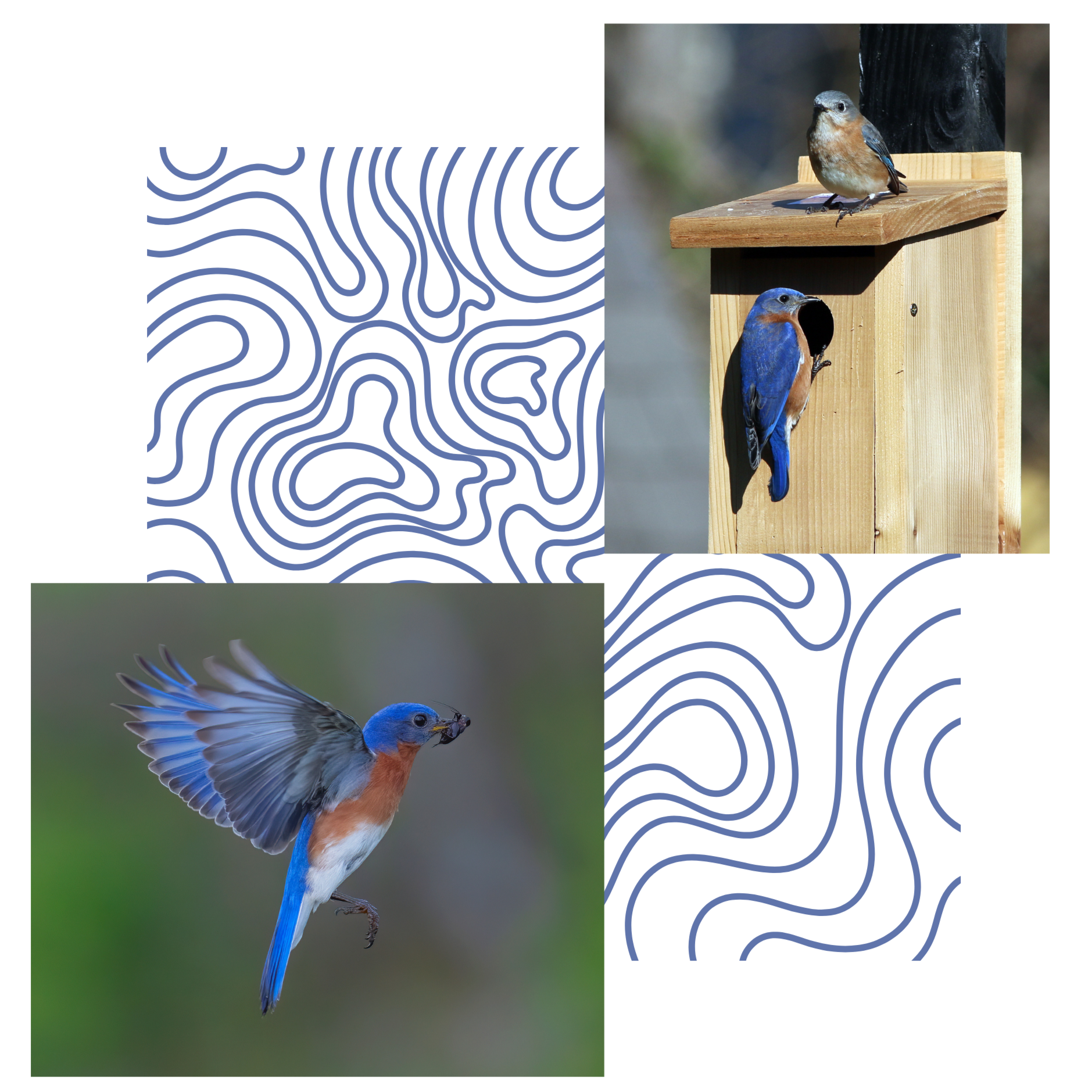
Eastern Bluebird & Mountain Bluebird
Western South Dakota is home to two species of bluebird: the Eastern Bluebird and the Mountain Bluebird. Eastern Bluebird males have a “rusty” colored belly, whereas the Mountain Bluebird males are a softer blue. Both species inhabit open woodlands, grasslands, and meadows and nest in tree cavities (mimicked with nest boxes). Bluebirds are only summer residents in South Dakota, but are a common and welcome sight along the many miles of pasture fences we have on the Great Plains. Mountain Bluebirds, in particular, thrive in higher elevations and have evolved to prefer the cooler climate and cold-adapted habitat. Because of this, they are especially at risk for habitat loss in the coming decades as temperatures shift. Mountain Bluebirds are listed as a species of “High Vulnerability” at +3 degrees C by the Audubon Society.
Bluebird boxes are easy to install and breeding pairs are a great addition to any community looking to benefit from these birds’ pest management skills and their beautiful coloring.
Size: 6-8 in long Life History: Inhabit open grasslands and build their nests in the cavities of trees or artificial nest boxes; Each mating pair will lay 4-8 eggs in a season Favorite Foods: grasshoppers, caterpillars, beetles, other insects, fruits and berries in winter
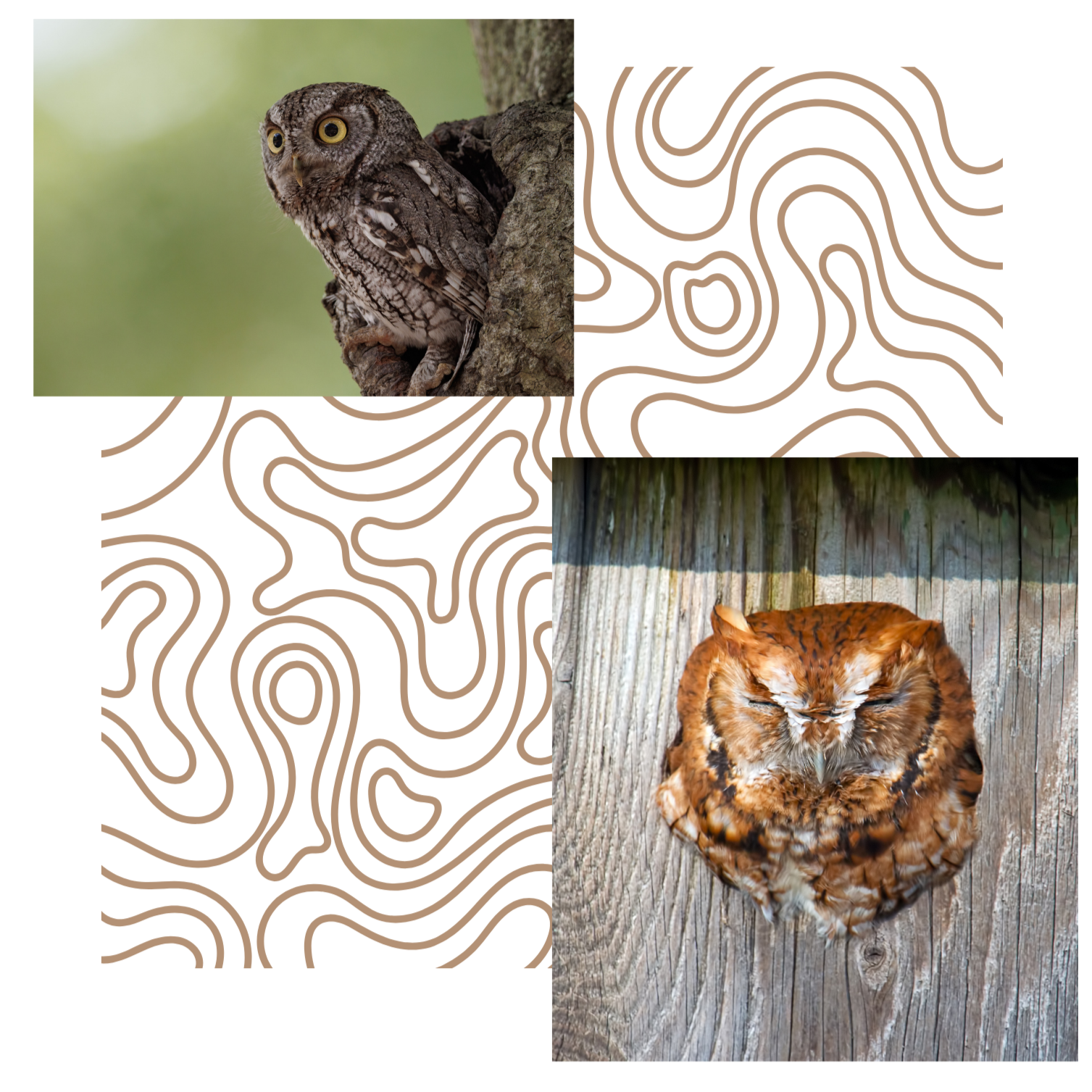
Eastern Screech Owl
Eastern Screech Owls are common residents of Kestrel nest boxes and will readily take over a box if given the opportunity. The good news is these little raptors are excellent hunters and target similar prey as the American Kestrel: mice, bugs, and any small creature they can get their talons around. Though mostly found in forested habitats, Screech Owls on the Great Plains are found anywhere there are trees, such as windbreaks, riparian woodlands, and field edges. Like other cavity nesters, their habitat is at risk due to development, tree loss, and destruction of hunting grounds.
Place a Kestrel nest box in any sizeable group of trees and a Screech Owl may just decide to stick around! You’ll know they’re nearby when you hear their distinctive “whinny” call in the woods at night.
Size: 6-10 in long Life History: Inhabit open woodlands and build their nests in the cavities of trees or artificial nest boxes; Each mating pair will lay 2-6 eggs in a season Favorite Foods: small rodents, small birds, insects, small reptiles
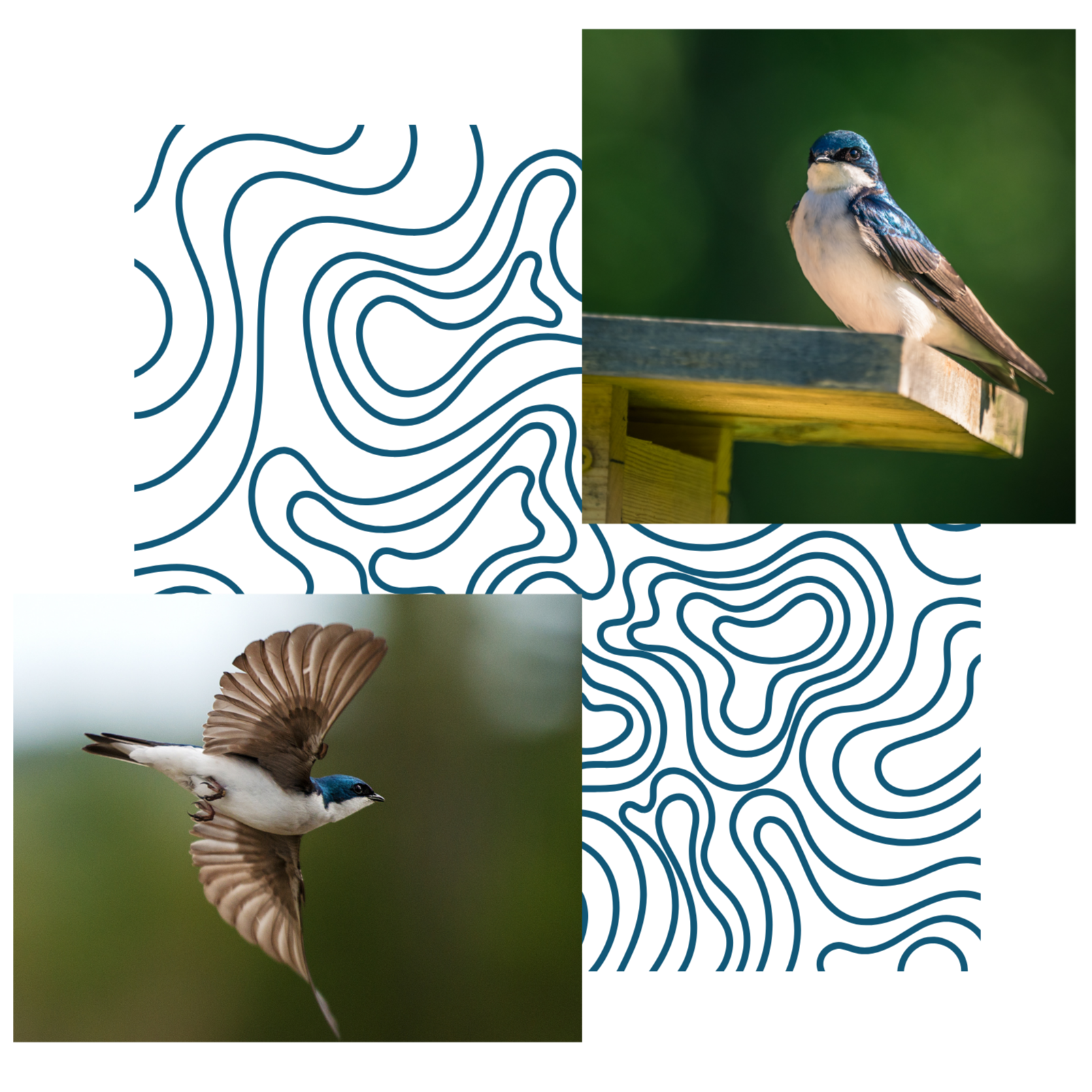
Tree Swallow
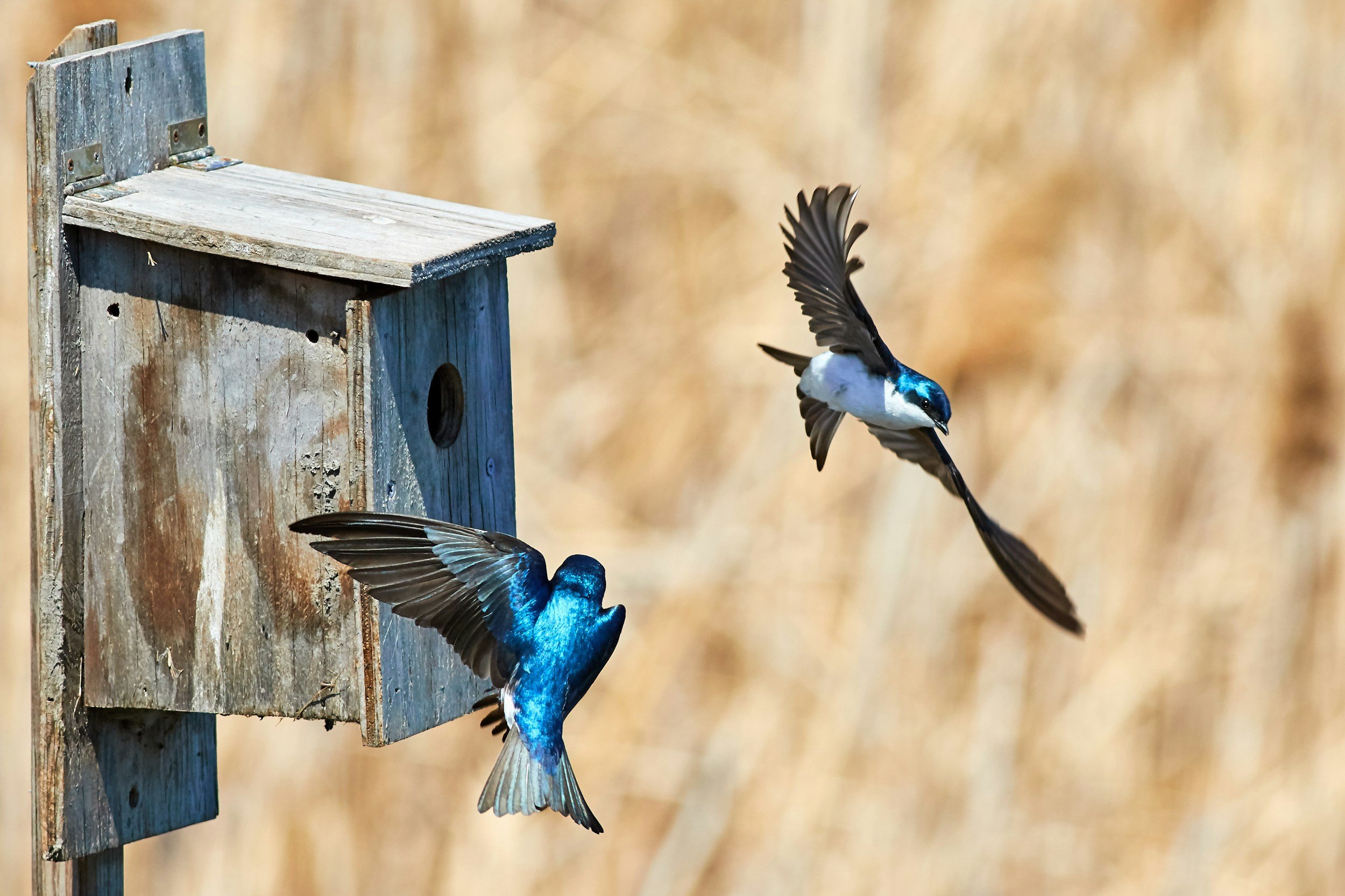
Tree Swallows are not as common in Western South Dakota as Cliff Swallows (which are usual summer residents along bridges), but they are still often seen nesting in bluebird boxes placed along fence posts across the state. They are fantastic fliers and are excellent at catching insects in the air. Because of this, they are often welcome by livestock producers for their ability to reduce the population of flies.
Unlike bluebirds, Tree Swallows prefer nesting closer to other breeding pairs of their species and do well when nest boxes are installed closer together (~40 ft apart).
Size: 5-6 in long Life History: Inhabit grasslands with close proximity to wetlands or another water source; Each mating pair will lay 4-7 eggs in a season Favorite Foods: flies, beetles, moth, mayflies, any flying insect
Great Horned Owl
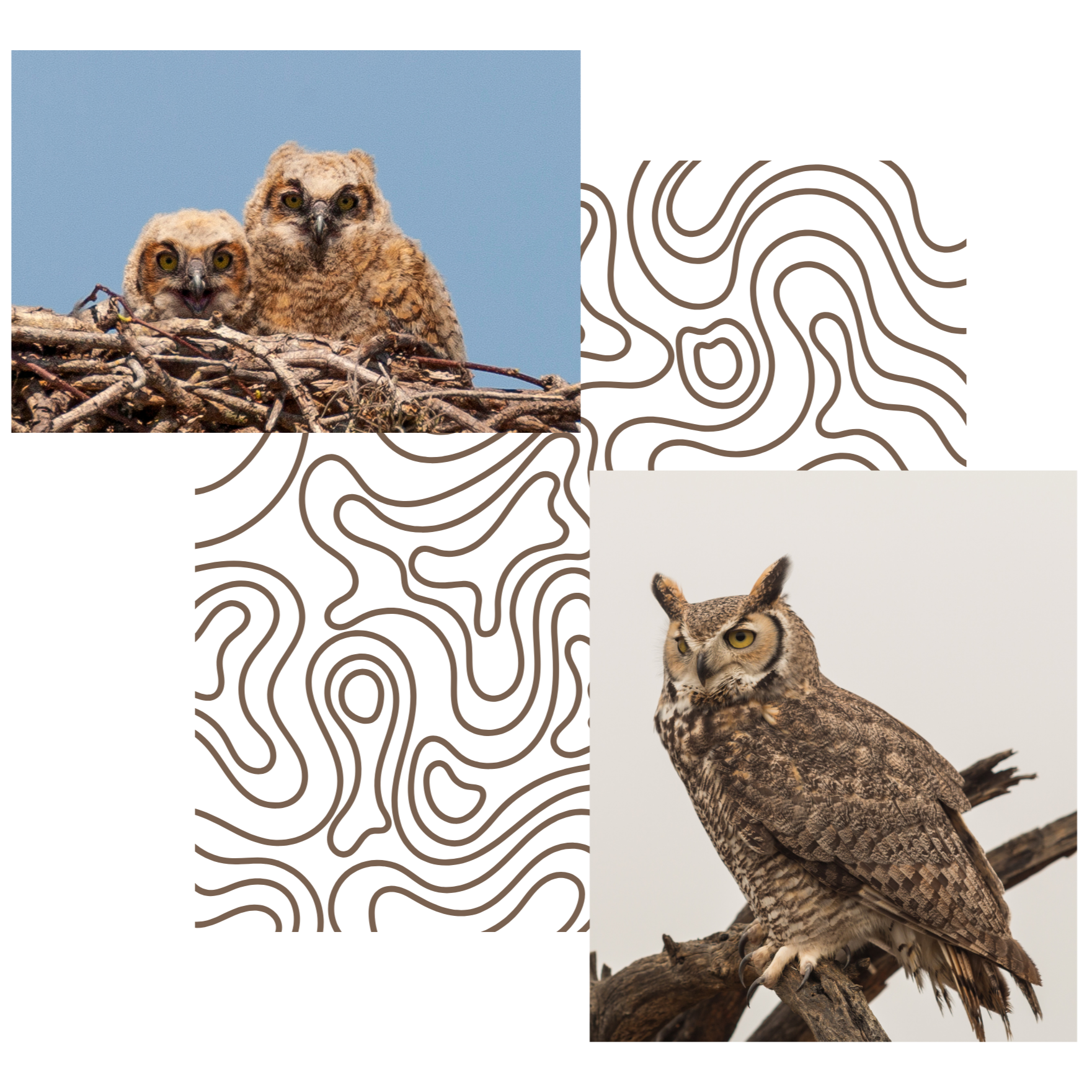
Great Horned Owls are large raptors capable of hunting larger prey than the Screech Owl. Though their preference is small rodents, like mice, they’ve been known to take down larger animals such as rabbits, Canada geese, prairie dogs, and even hawks! Because of this habit, we recommend considering the presence of house cats, small dogs, and chickens in a community before installing an artificial Great Horned Owl nest. They are such excellent hunters, its also crucial to consider the presence of any vulnerable wildlife species that may be hunted by them, such as the Peregrine Falcon. They are often found in “edge” habitats, such as farmland and riparian areas, where there is a diverse mix of open areas and denser stands of trees.
Like the other birds listed, Great Horned Owls are often cavity nesters (and affected by loss of standing dead trees) but are often found using the old nests of eagles and red-tailed hawks. When making an artificial Great Horned Owl nest, conservationists usually will build a “cone” from chicken wire and natural materials, mimicking the shape of unused hawk nests. If they establish a nest in your community, listen for their iconic call: “Who’s awake? Me-too”.
Size: 18-25 in long Life History: Inhabit edge habitats, woodlands, farmland, wetlands; Each mating pair will lay 1-4 eggs in a season Favorite Foods: rodents, small mammals, other birds
More Resources On Birds & Nest Boxes:
Wild Farm Alliance’s Farmland Flyways
Cornell Lab’s NestWatch
Audubon Society’s Central Flyway Map
Interested in getting involved?
Please contact us if you’re interested in volunteer or partnership opportunities!