
CONSERVATION INTERNSHIPS
-
Our Conservation Internships offer a compensated opportunity for people with an interest in pursuing a degree in conservation who may otherwise lack the means to gain the needed experience. Location, financial strain, family responsibilities, physical disabilities, mental health, and discrimination are unfortunate barriers many people face when pursuing a career in conservation. Our aim with our internship program is to provide valuable experience, professional hands-on training, and the opportunity to take part in conservation projects based around the participant’s interests and community needs— all within in a “non-conventional” working environment that understands that some participants may need more flexibility and accommodations based on their individual needs.
-
Internship programs are for students currently pursuing an advanced degree related to conservation or natural resources OR have 1-2 years of lived experience related to conservation and Traditional Ecological Knowledge (TEK). Internships typically last 1-3 months and participants will be provided a stipend throughout the duration of the program. Though we typically work in Tribal communities, our team is happy to consider anyone who meets the listed criteria and has faced challenges pursuing a conservation career because of their socio-economic status, race, disability, or any other challenge. If you do NOT meet any of the criteria above but still feel you may be a good fit for our program, please send us a message and we’ll set up a time to chat!
-
Our work is based out of Western South Dakota. Because of this, most of our resources are focused on the communities in and around Rapid City, the Black Hills, and the Pine Ridge Reservation. However, applicants located in other areas, such as Cheyenne River, Rosebud, or the Pierre area, will also be considered. Unfortunately, we do not have the means to provide housing or daily transportation (occasional transportation is OK) for participants but it is our sincere hope that this will change in the future.
-
This program is currently in development, so we thank you for your patience! If you have interest in participating and wish to be one of the first considered, please give us a call or send us a message!
Gain hands-on skills and experience in conservation techniques while learning in a supportive environment that values your lived experience, culture, and ideas!

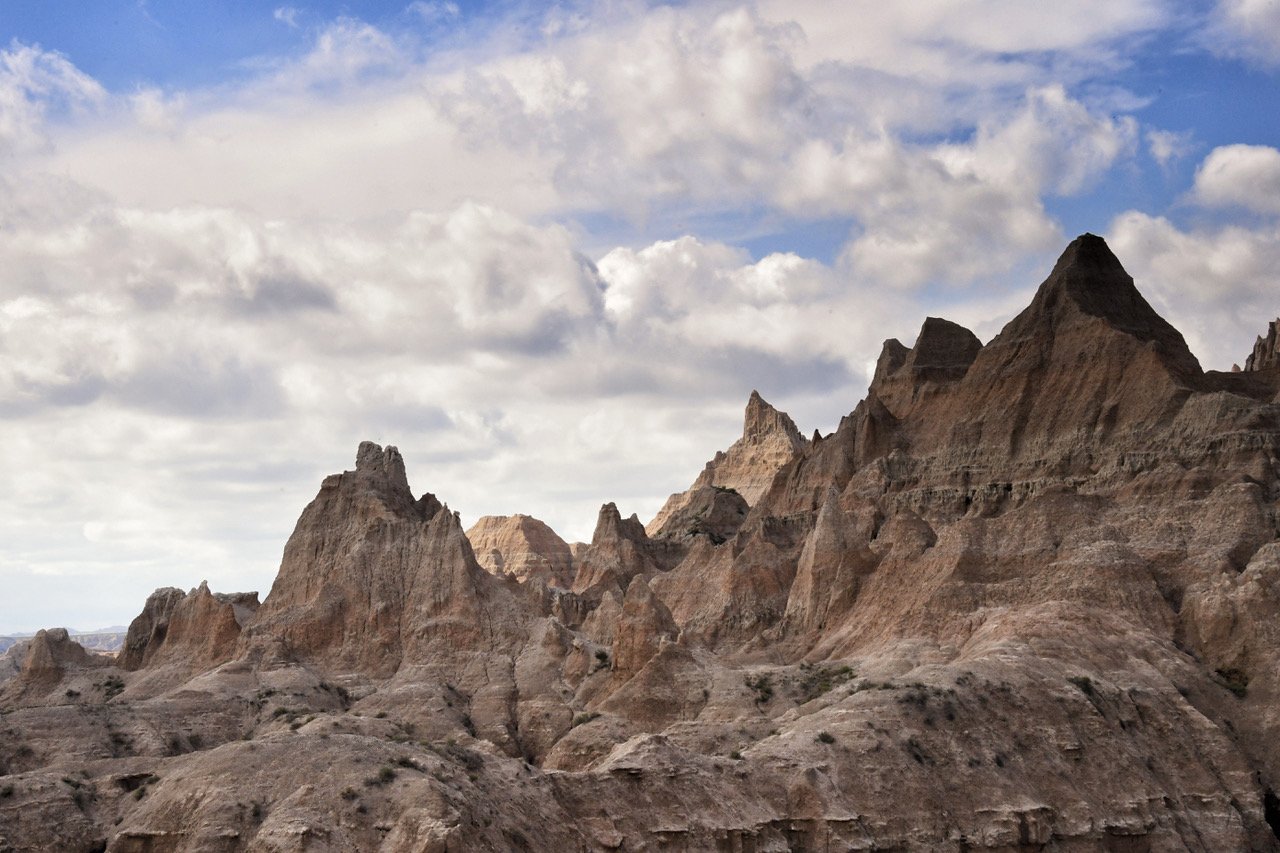
Examples of Techniques and Skills Learned:
Basic introductions to biodiversity, ecology, plant science, and wildlife biology
Plant and wildlife identification practice
GPS and map use practice
Basics of common software used in conservation such as ArcGIS Pro and Excel
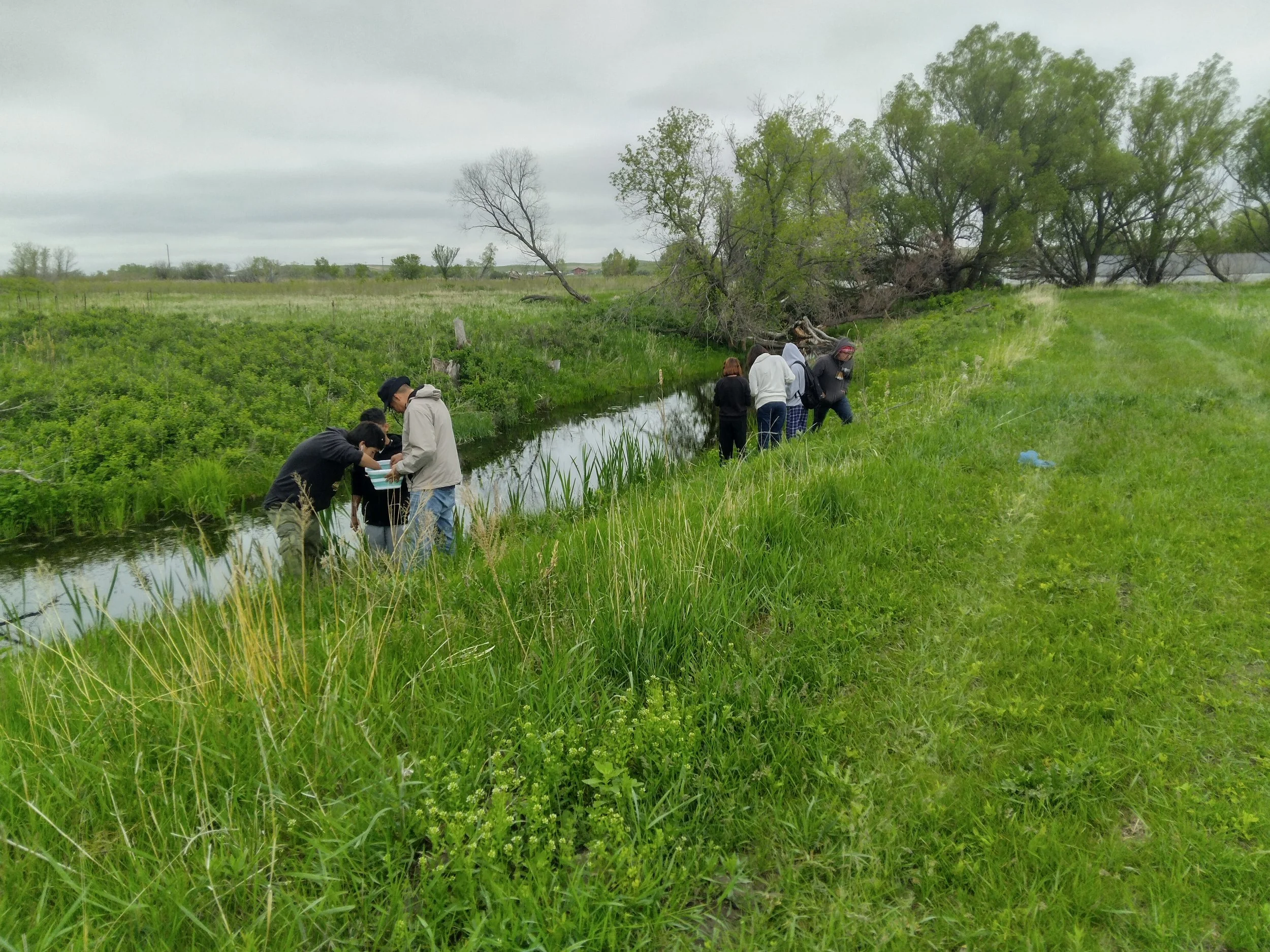
Introduction to Riparian Restoration & Stream Health Monitoring
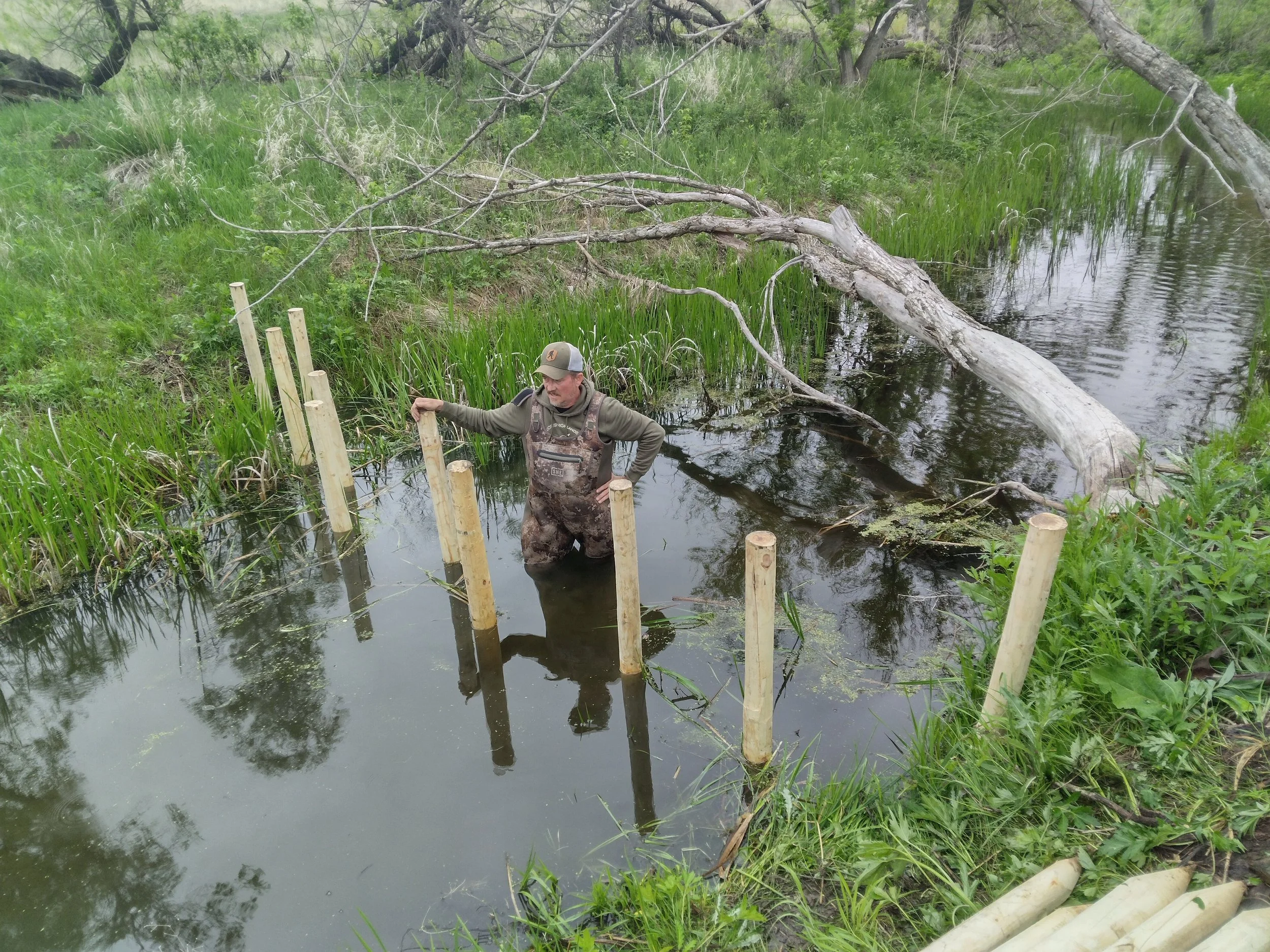
Beaver Dam Analog (BDA) construction
Post-assisted Log Structures (PALS)
Introduction to Wildlife Monitoring
Camera traps/ Trail Cameras
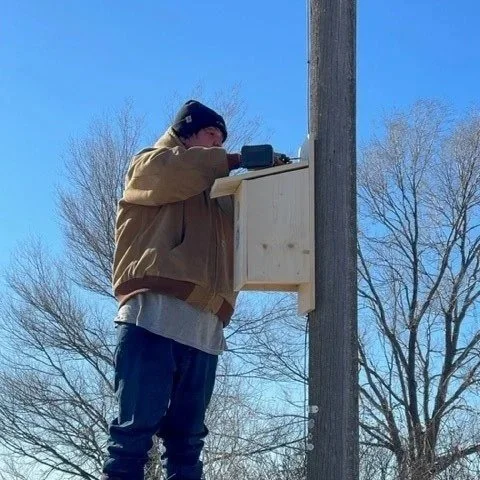
Bat Ultrasonic Acoustic Detectors
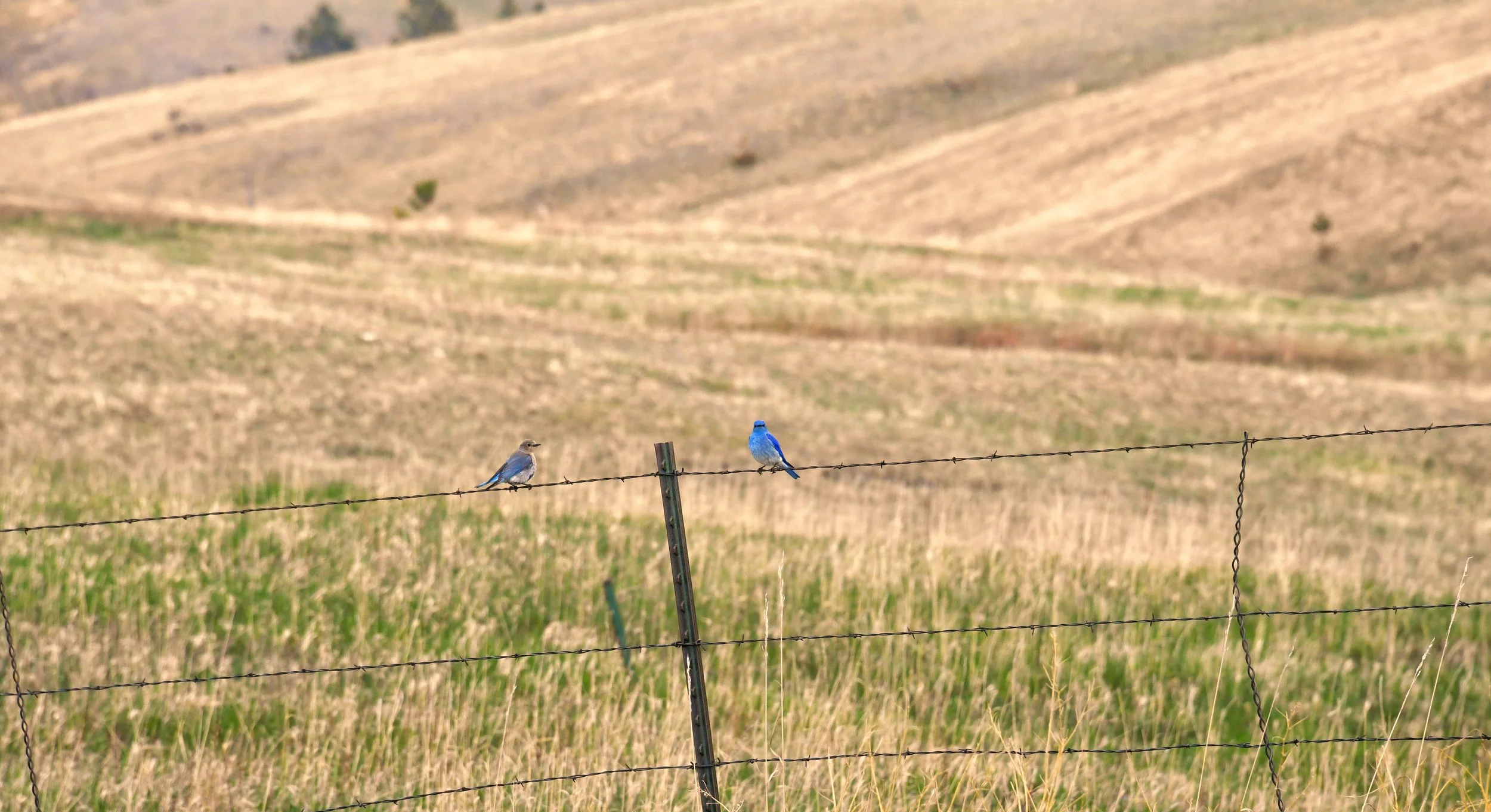
Birding techniques and bird identification through visual recognition and song recognition
Bumblebee surveys using Xerces Society guidelines
Introduction to Native Plant Monitoring and Restoration
Soil health, moisture, and compaction measurements
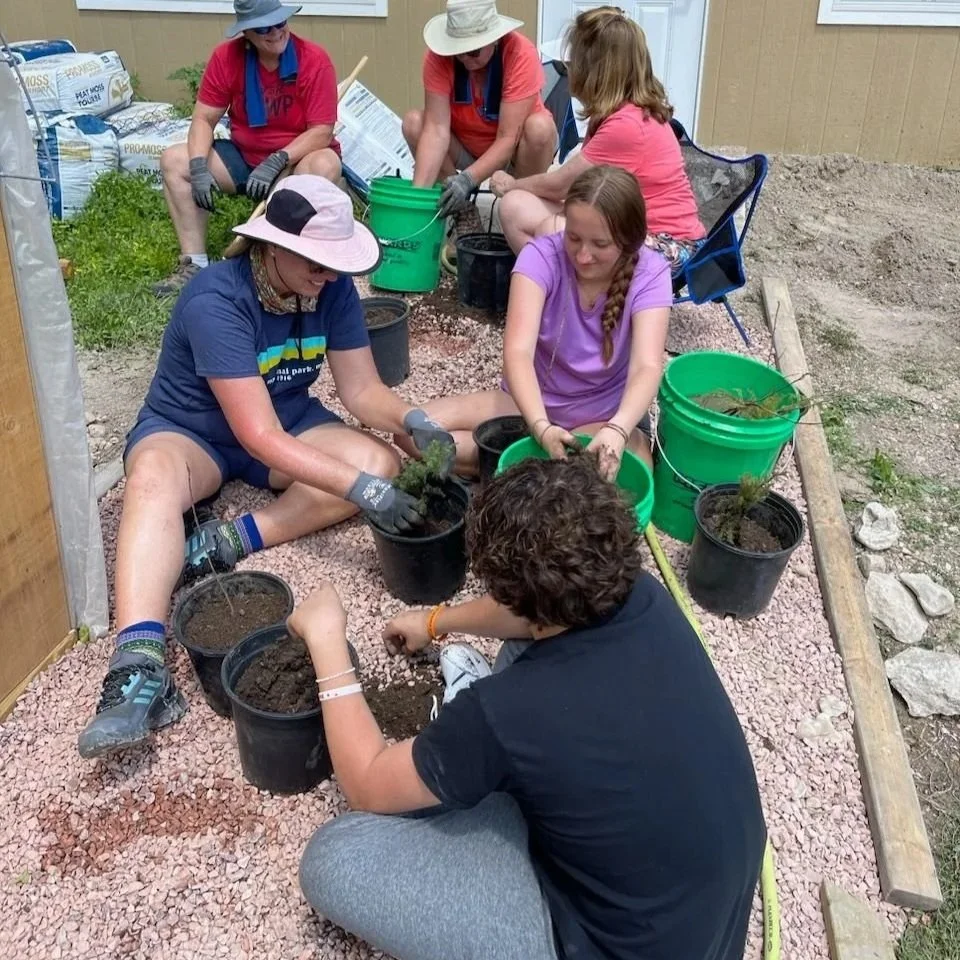
Planting native seeds and basics of habitat restoration projects
Practicing skills in both Traditional Ecological Knowledge (TEK) and Western Science
Studying the relationship between traditional stories, traditional medicine, and ecological health
Encouraging participants to utilize and engage with their cultural knowledge when designing projects and solving challenges
Valuing community input, generational wisdom, life experience, and art when working in conservation
Interested in participating in our Internship Program? Reach out to us!
Our program is still “under construction”, but we will be sure to update this page as soon as positions become available. In the meantime, we will be creating a “waitlist” for interested participants.
Thanks for your patience!